AI agents · cognitive surrender · how I work
We are the harness: how to engineer context retention
I keep getting the feeling that working with AI agents means surrendering something. Reading Kunal's essay on cognitive surrender gave me words for it and a few principles I'm adopting.

Robert MillNovember 3, 2026 · 3 min read
I'm getting this feeling, and I think it's coming into the common parlance of AI agent users: that we are surrendering, some kind of cognitive surrender, right when we're working.
Then I read Kunal's essay, . These are my notes from reading it.
Why surrender is so tempting
A key point is that engineers inherently aim to be lazy, meaning they want to do less work. There is also game theory at play. If everyone is shipping incredibly fast and you're the only one going slow, you are at risk.

Slop compounds quietly
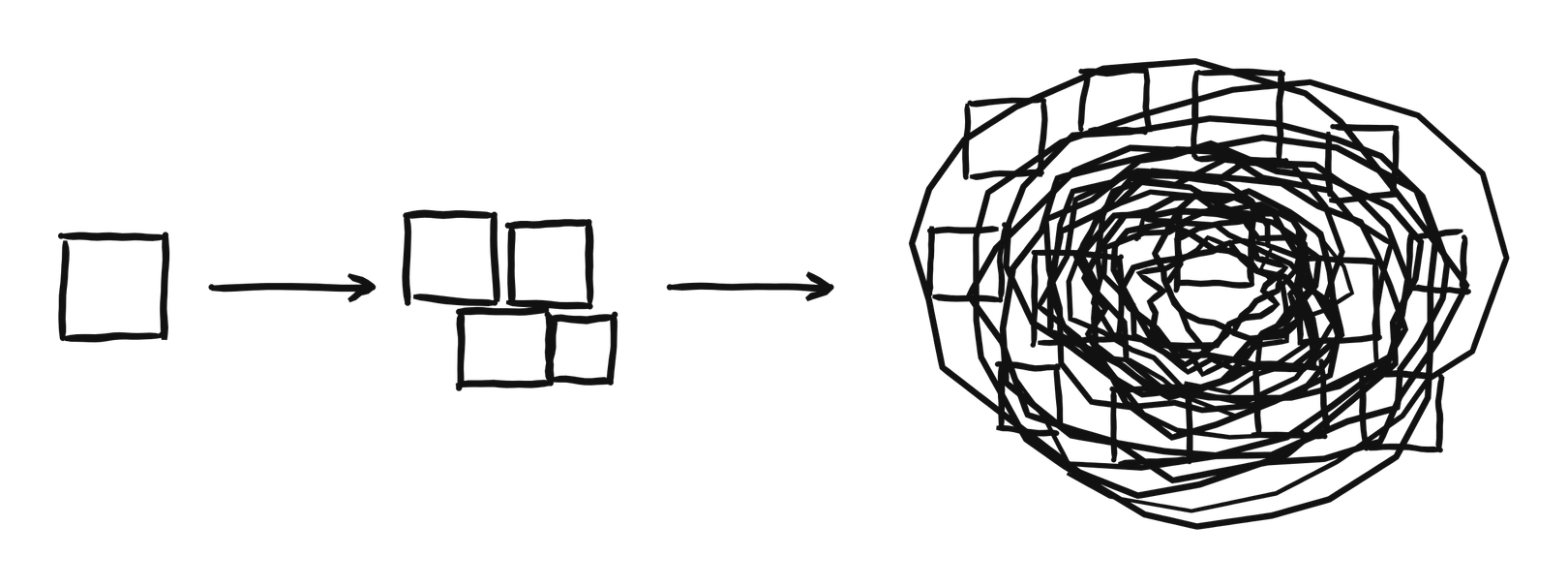
Another really interesting point is about slop. It compounds quietly. As AI agents build more and more, they create compounding complexity and issues.
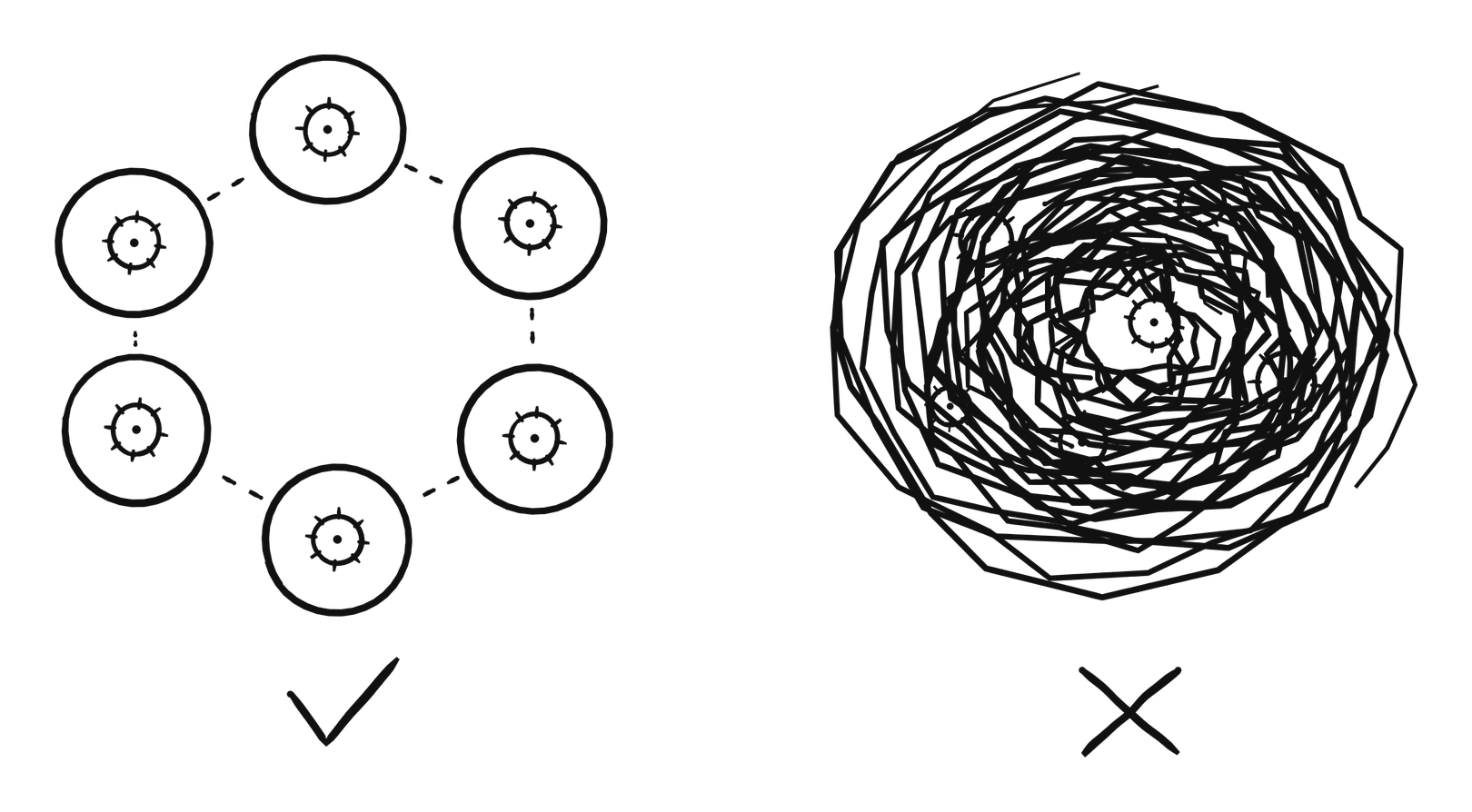
I think this is a really concrete principle: steering towards simplicity and modularity is critical to creating systems that stay valuable.
The ironies of automation
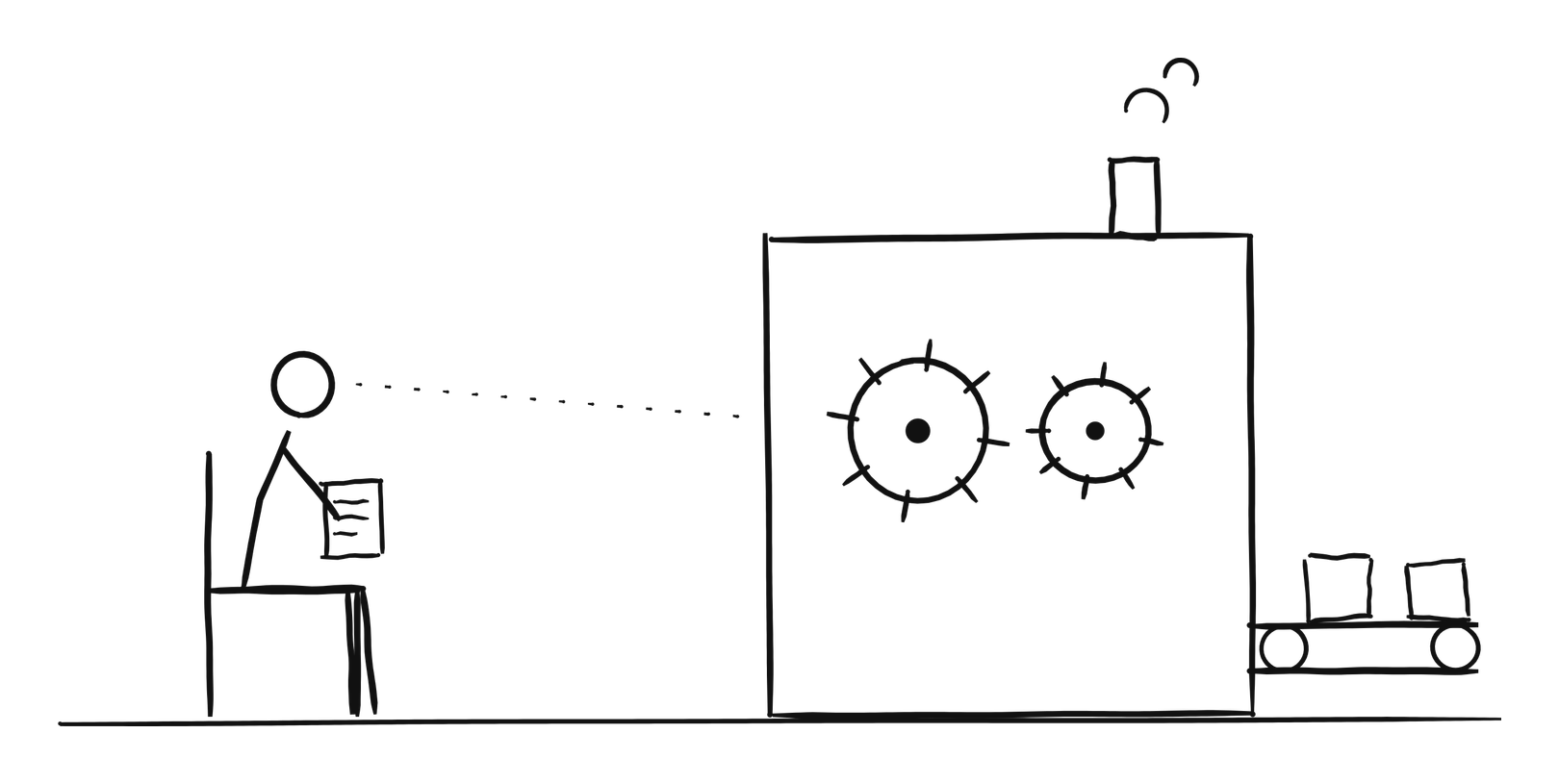
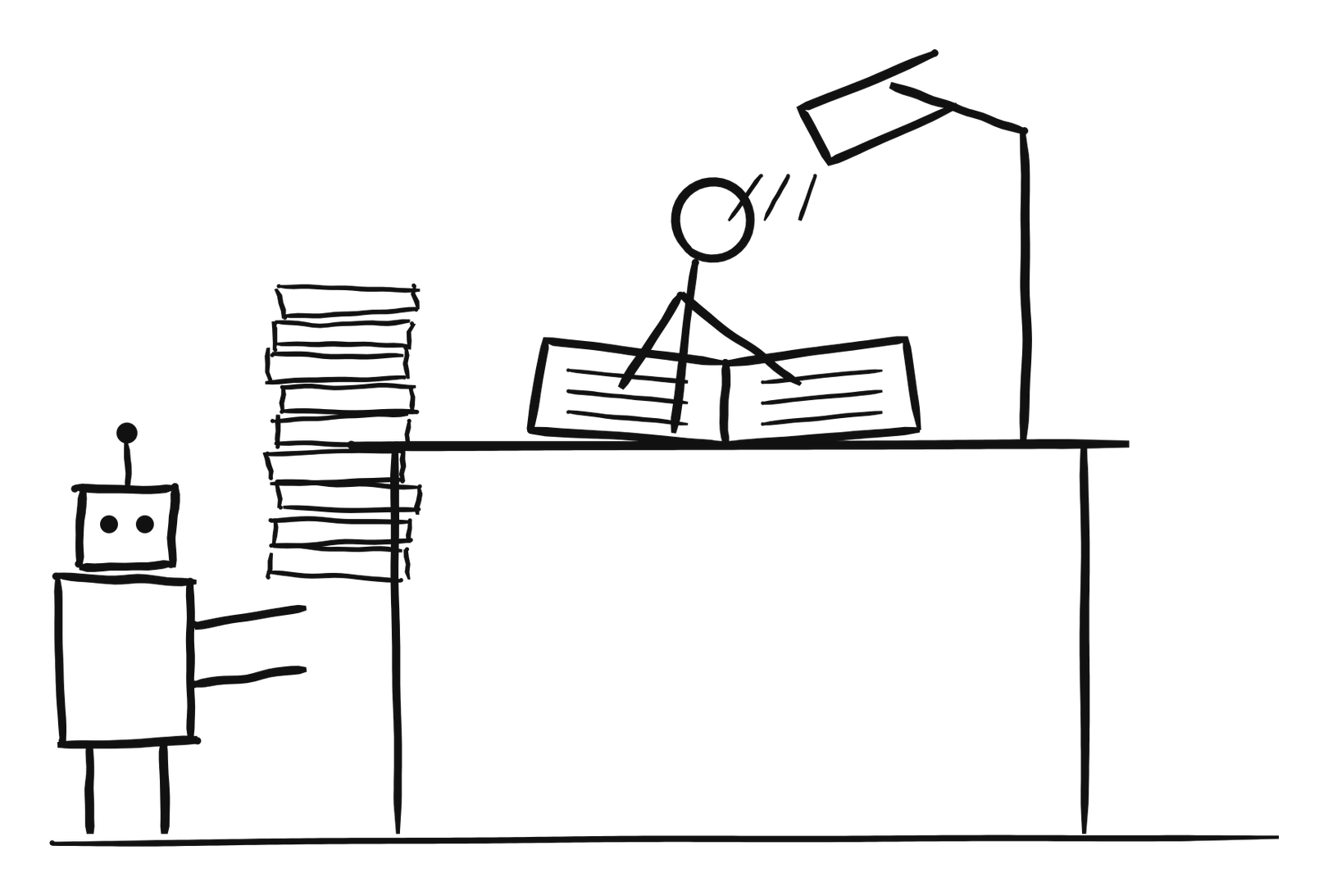
The more you use agents, the more you hand over context, and the less relevant you are to the work.
It gets harder to deal with tasks if we constantly automate them. The automatic control system has been put in place because it can do the job better than the operator, yet the operator is being asked to monitor that it is working effectively.
Building is also comprehending
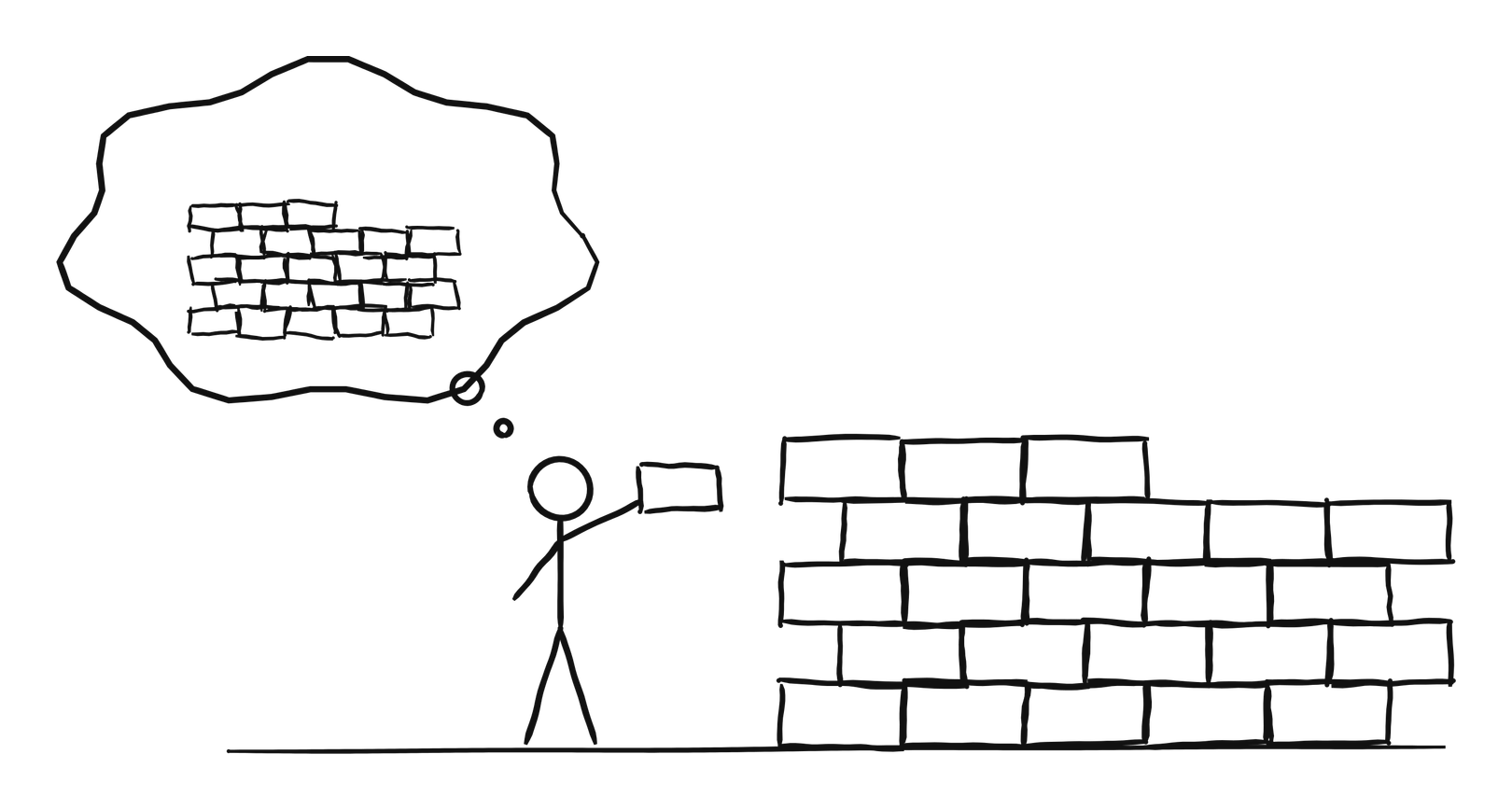
This is a critically important point. When you're building a system, you're also building your comprehension. Agents have driven building time to zero, but comprehension time is still the same duration.
The vibe limit

Graph from Kunal's essay.
This graph clearly communicates his thinking. You can vibe fully, but there is a limit where you start to sacrifice huge risk, so you have to keep the ability to stay involved.
Don't turn the reading off
This is a really good point, and I've found myself doing this more and more with go-to-market work. The discipline is reading the brief. It's so, so important, because you still need to be learning maximally. You need to focus on maintaining your learning about the system: using your brain, doing the reading. Don't turn that reading off, because it's so easy to turn the learning off. The agent can now do the homework. So how do we force ourselves to keep reading and writing and doing the math?
Choose to drive
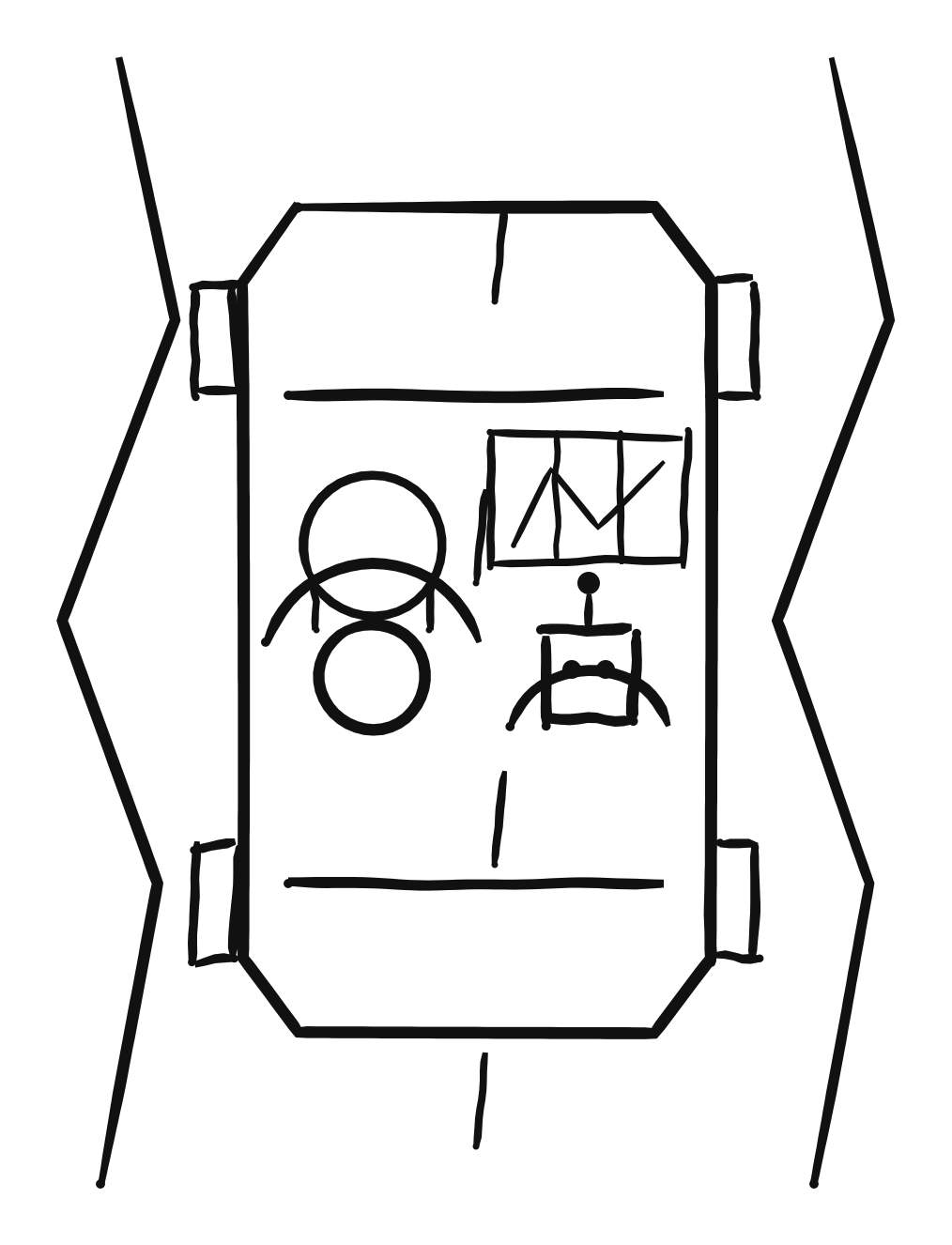
You have to consciously choose to drive, rather than letting the model drive for you. It's slower, but it forces you to engage with every decision. For this essay, for example, he used a Codex session to tighten the post and point out typos and punctuation, but every change was made by hand.
I'm adopting this philosophy too: I must stay in the loop on decisions. You must, must internalize things.
Just like we've built scaffolding so agents can understand our work, now we are context engineering ourselves.
Subsystem by subsystem
Another really interesting point, from Christopher Alexander: no complex adaptive system will succeed in adapting in a reasonable amount of time unless the adaptation can proceed subsystem by subsystem, each relatively independent of the others.
That's the same lesson as the slop point. Keep things modular so both you and the agents can understand and change them.